Source SMT Bolt Power Element Nuts for PCB Assembly
Source SMT bolt power element nuts for reliable PCB assembly and electrical signal transmission. Compare 27 available options featuring tin-plated steel and brass materials, press-fit execution, and high-temperature resistance for diverse industrial applications; compare the available evidence and request quotations based on your requirements.
Key considerations
Products List



Comprehensive Sourcing Guide
SMT Bolt Power Element Nuts Sourcing Guide
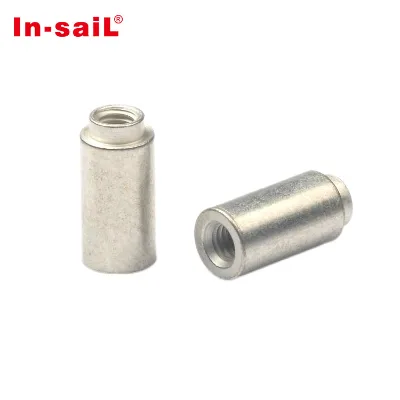
Sourcing SMT bolt power element nuts requires a precise understanding of their dual role in mechanical stability and electrical connectivity within modern printed circuit board assemblies. These components, often categorized under SMT standoffs, nuts, or PCB connectors, are engineered to provide secure mounting points while facilitating the transmission of electrical signals. Buyers must recognize that these parts are not merely passive fasteners but active elements in the board’s structural and electrical integrity. The observed product range includes various models such as SMTSO and LFPE15, indicating a diverse portfolio of sizes and configurations available in the market.
The procurement process for these specialized hardware items involves navigating a complex landscape of material choices, surface treatments, and packaging formats. Suppliers typically offer customization options, allowing for tailored solutions that meet specific design constraints. Common materials include steel and brass, each offering distinct advantages in terms of conductivity, corrosion resistance, and mechanical strength. Understanding the specific application requirements, such as high-temperature resistance or specific thread codes like M3, is essential for selecting the right component. This guide aims to provide a structured approach to evaluating these products based on verified technical and commercial data.
Product Scope and Observed Listing Signals
The current market for SMT bolt power element nuts exhibits a wide variance in pricing and minimum order quantities, reflecting the diversity of product specifications and supplier capabilities. Observed price ranges span from nominal values up to several hundred dollars, which often correlates with the complexity of the part, such as blind hole designs or specific thread standards. Minimum order quantities typically range from single units for prototyping to thousands for mass production, indicating that suppliers cater to both small-batch R&D needs and large-scale manufacturing operations. Buyers should interpret these ranges as indicative of market variability rather than fixed benchmarks, as prices fluctuate based on material costs and order volume.
Listing signals reveal a strong emphasis on customization and specific packaging requirements, which are critical for integration into automated assembly lines. Products are frequently described with attributes such as "Available" for customization and specific packing methods like blister boxes, cartons, or reel packages. The presence of models like SMTSO2040MTS and SMTSO1420MTS suggests a standardized naming convention that encodes size and type information. Additionally, the origin of these products is predominantly China, with Shenzhen being a notable hub for manufacturing. This geographic concentration implies a mature supply chain ecosystem, but buyers must still verify the specific capabilities and reliability of individual suppliers within this region.
Technical Specifications to Verify
Verifying technical specifications is paramount when sourcing SMT bolt power element nuts, as minor deviations can lead to assembly failures or electrical issues. Key attributes to confirm include the thread code, such as M1.2, M1.4, M2, M2.5, or M3, and the corresponding diameter and total length dimensions. For instance, some standards specify an M2 diameter of 5.56mm with a total length of 4mm, while others may define an M3 thread with a 15mm length. Buyers must also pay attention to the drill hole diameter and final hole diameter, which are critical for ensuring proper fit and alignment on the PCB. The execution method, often press-fit, requires precise tolerance control to ensure secure installation without damaging the board.
Surface treatment and material composition are equally important factors that influence the performance and longevity of the nuts. Common surface treatments include tin plating, anodizing, polishing, and powder coating, each offering different levels of corrosion resistance and conductivity. Materials such as steel and brass are frequently used, with tin finish being a common specification for enhanced solderability and protection. Additionally, the shape of the component, often square, and its series classification, such as SMT Standoff or SMT Nut, must align with the design requirements. Buyers should request detailed datasheets that specify these parameters to avoid mismatches during the procurement process.
Compliance and Safety Documentation
Compliance with international standards and safety certifications is a non-negotiable aspect of sourcing electronic hardware components. Buyers must ensure that suppliers provide valid certifications such as VDE, UL, and BS, which attest to the product’s adherence to electrical safety and performance standards. These certifications are crucial for products intended for use in regulated markets, as they demonstrate that the components have undergone rigorous testing for electrical insulation, temperature resistance, and mechanical durability. Additionally, certificates like SGS and material certifications provide assurance regarding the chemical composition and environmental safety of the materials used in manufacturing.
Beyond formal certifications, buyers should verify the product’s ability to withstand specific environmental conditions, such as high temperatures. Some components are rated for heat resistance from -40°C to +135°C, which is essential for applications involving thermal cycling or high-power dissipation. The unit net weight and solder cream thickness specifications, such as 150μm, also play a role in ensuring consistent assembly quality. Buyers should request test reports or compliance statements that confirm these attributes, as they are critical for maintaining the reliability of the final electronic device. Ignoring these documentation requirements can lead to regulatory non-compliance and potential product recalls.
Cost Drivers and Commercial Terms
Understanding the cost drivers associated with SMT bolt power element nuts is essential for effective budgeting and negotiation. The primary factors influencing price include the material type, surface treatment complexity, and the level of customization required. For example, brass components with tin plating may carry a different cost structure compared to steel parts with more intricate surface finishes. Additionally, the packaging format, whether it be bulk, bag, or reel package, can impact the overall cost due to the additional processing and materials involved. Buyers should analyze these variables to identify areas where cost savings can be achieved without compromising quality.
Commercial terms, including minimum order quantities and lead times, significantly affect the total cost of ownership. Suppliers may offer tiered pricing based on volume, encouraging larger orders to reduce per-unit costs. However, buyers must balance these discounts against inventory holding costs and cash flow implications. The availability of OEM and ODM services adds another layer of complexity, as custom designs may incur additional tooling or setup fees. It is advisable to negotiate clear terms regarding payment schedules, shipping responsibilities, and warranty policies to mitigate financial risks. Transparent communication with suppliers about these terms can help establish a mutually beneficial partnership.
Supplier Qualification and Quality Control
Supplier qualification is a critical step in ensuring the reliability and consistency of SMT bolt power element nuts. Buyers should assess suppliers based on their manufacturing capabilities, quality management systems, and track record in the industry. Verification of their ability to provide OEM and ODM services indicates a level of flexibility and technical expertise that can be valuable for custom projects. Additionally, suppliers should demonstrate a commitment to quality control through rigorous inspection processes and adherence to industry standards. Buyers may request samples for evaluation to verify dimensions, surface finish, and electrical properties before committing to larger orders.
Quality control measures should extend beyond initial sampling to include ongoing monitoring of production batches. Suppliers should provide documentation such as material certificates and test reports for each batch to ensure consistency. Buyers should also consider implementing incoming quality control checks upon receipt of goods to detect any defects or deviations early in the process. Establishing clear communication channels with suppliers for addressing quality issues is essential for maintaining high standards. Regular audits or reviews of supplier performance can help identify areas for improvement and ensure long-term reliability of the supply chain.
Long-Term Procurement Checks
Long-term procurement checks are necessary to maintain the integrity and efficiency of the supply chain for SMT bolt power element nuts. Buyers should periodically review supplier performance metrics, including on-time delivery rates, defect rates, and responsiveness to issues. This ongoing evaluation helps identify potential risks and opportunities for improvement in the supply chain. Additionally, staying informed about market trends and technological advancements can help buyers anticipate changes in product availability or pricing. Regular communication with suppliers about future needs and potential design changes can foster a collaborative relationship that benefits both parties.
It is also important to monitor regulatory changes and industry standards that may impact the procurement of these components. Buyers should ensure that their suppliers remain compliant with evolving safety and environmental regulations, such as RoHS or REACH, if applicable. Maintaining a diverse supplier base can mitigate the risk of supply disruptions and provide leverage in negotiations. Finally, documenting all procurement activities and supplier interactions creates a valuable knowledge base for future reference. This systematic approach to long-term procurement management ensures that the organization can adapt to changing market conditions while maintaining high standards of quality and reliability.
FAQs
What materials are used for SMT standoff nuts?
SMT standoff nuts are primarily manufactured from steel and brass to ensure structural integrity and conductivity. These materials support the press-fit execution method required for surface mount technology. The components are designed to conduct electricity while providing stable spacing for PCB assemblies in various electronic applications.
Can these SMT nuts be customized for specific projects?
Yes, customization is available for SMT standoff nuts and related PCB connectors. Manufacturers offer OEM and ODM services to tailor dimensions and specifications. Buyers can request specific thread codes or sizes to match their unique assembly requirements, ensuring precise fitment for complex electronic designs.
What surface treatments are applied to SMT fasteners?
Common surface treatments include tin plating, anodizing, polishing, and powder coating. Tin plating is frequently used to enhance conductivity and corrosion resistance. These finishes ensure the components meet high-temperature resistance standards, allowing reliable performance in demanding electronic environments without compromising the press-fit connection integrity.
Which certifications apply to these PCB terminal components?
Certifications such as VDE, UL, and BS apply to these terminal components. Additional material certifications and SGS verification are also provided. These standards ensure the products meet rigorous safety and quality requirements for electrical transmission, giving buyers confidence in the reliability and compliance of the sourced SMT hardware.
How are SMT nuts packaged for shipment?
Packaging options include blister box packaging with cartons, reel packages, and bulk bags. The specific method depends on the product model and order volume. These packaging styles protect the components during transit and facilitate efficient handling during the surface mount assembly process on production lines.
What is the origin of these SMT components?
These SMT components originate from Shenzhen, China. The region is a major hub for electronics manufacturing, providing access to a wide range of specifications and materials. Buyers can source various models, including metric and inch sizes, directly from these established manufacturing centers.